
Embracing Ethical Farming Practices for a Sustainable Future
- Jul 12, 2024
- 2 min read
In today's fast-paced world, the importance of ethical farming practices cannot be overstated. As our society becomes more conscious of the impact of our actions on the environment and animal welfare, the demand for sustainable and ethical farming is on the rise. At the heart of this movement lies a deep-rooted commitment to treating animals and the land with respect, ensuring the well-being of both present and future generations.
The Essence of Ethical Farming
Ethical farming encompasses a set of practices that prioritize the welfare of animals, promote environmental sustainability, and support local communities. From pasture-raised livestock to organic crop cultivation, ethical farming seeks to strike a balance between meeting the demand for food and preserving the natural world. By focusing on principles such as humane treatment, responsible land stewardship, and transparent supply chains, ethical farmers are paving the way for a more sustainable agricultural future.
Sustainable Agriculture: A Way Forward
Sustainable agriculture lies at the core of ethical farming practices. By implementing techniques such as crop rotation, composting, and integrated pest management, farmers can minimize the use of harmful chemicals and reduce their environmental footprint. Sustainable farming not only helps preserve soil health and biodiversity but also plays a crucial role in mitigating climate change. By promoting regenerative practices, farmers can nurture the land and ensure its productivity for generations to come.
Animal Welfare: A Compassionate Approach
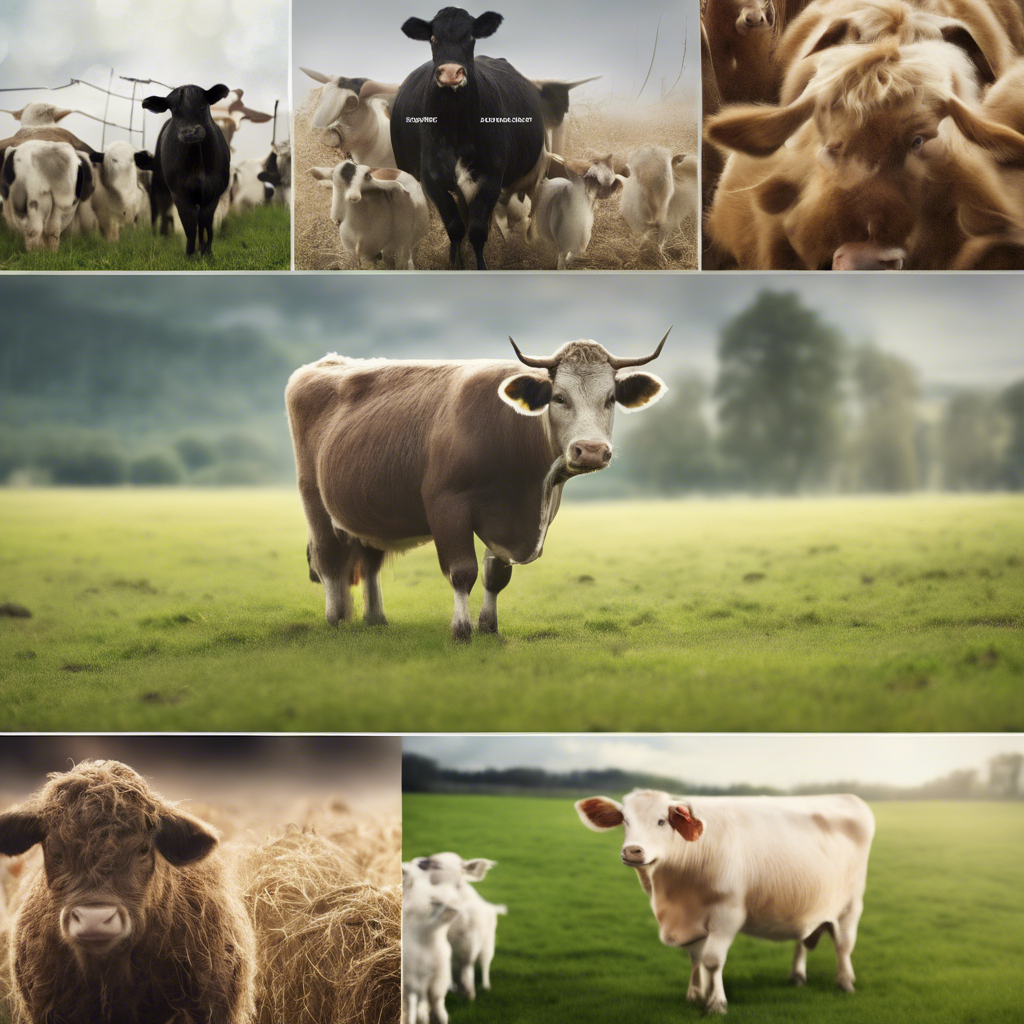
Central to ethical farming is the concept of animal welfare. Modern consumers are increasingly concerned about the treatment of farm animals, leading to a shift towards more humane practices. From providing ample space for movement to ensuring access to fresh air and sunlight, ethical farmers prioritize the well-being of their livestock. By opting for pasture-raised and free-range systems, farmers can offer animals a more natural and fulfilling life, ultimately reflecting in the quality of the products they produce.
The Impact of Ethical Farming
The benefits of ethical farming extend far beyond the farm gates. By supporting ethical farmers and choosing products that align with these values, consumers play a vital role in promoting a more sustainable food system. From reducing greenhouse gas emissions to preserving biodiversity and safeguarding rural economies, the impact of ethical farming ripples across various facets of society. By opting for ethically sourced products, consumers can contribute to a more compassionate and environmentally conscious world.
A Glimpse into Ethical Farming Practices
Embracing an Ethical Lifestyle
As consumers, we hold the power to drive positive change through our everyday choices. By supporting local farmers, choosing organic products, and advocating for transparency in the food industry, we can create a more ethical and sustainable food system. Ethical farming is not just a trend but a fundamental shift towards a more harmonious relationship with nature and the animals we share our planet with.
In conclusion, ethical farming practices are not only a necessity but a beacon of hope for a brighter future. By embracing principles of sustainability, animal welfare, and community engagement, we can pave the way for a more compassionate and resilient agricultural sector. Let's join hands in supporting ethical farmers and promoting a food system that nourishes both body and soul.
Remember, every meal we eat is an opportunity to make a difference!
Website Name: Shamrock Hollow
SEO Keywords: ethical farming practices, sustainable agriculture, animal welfare, sustainable food system


Comments